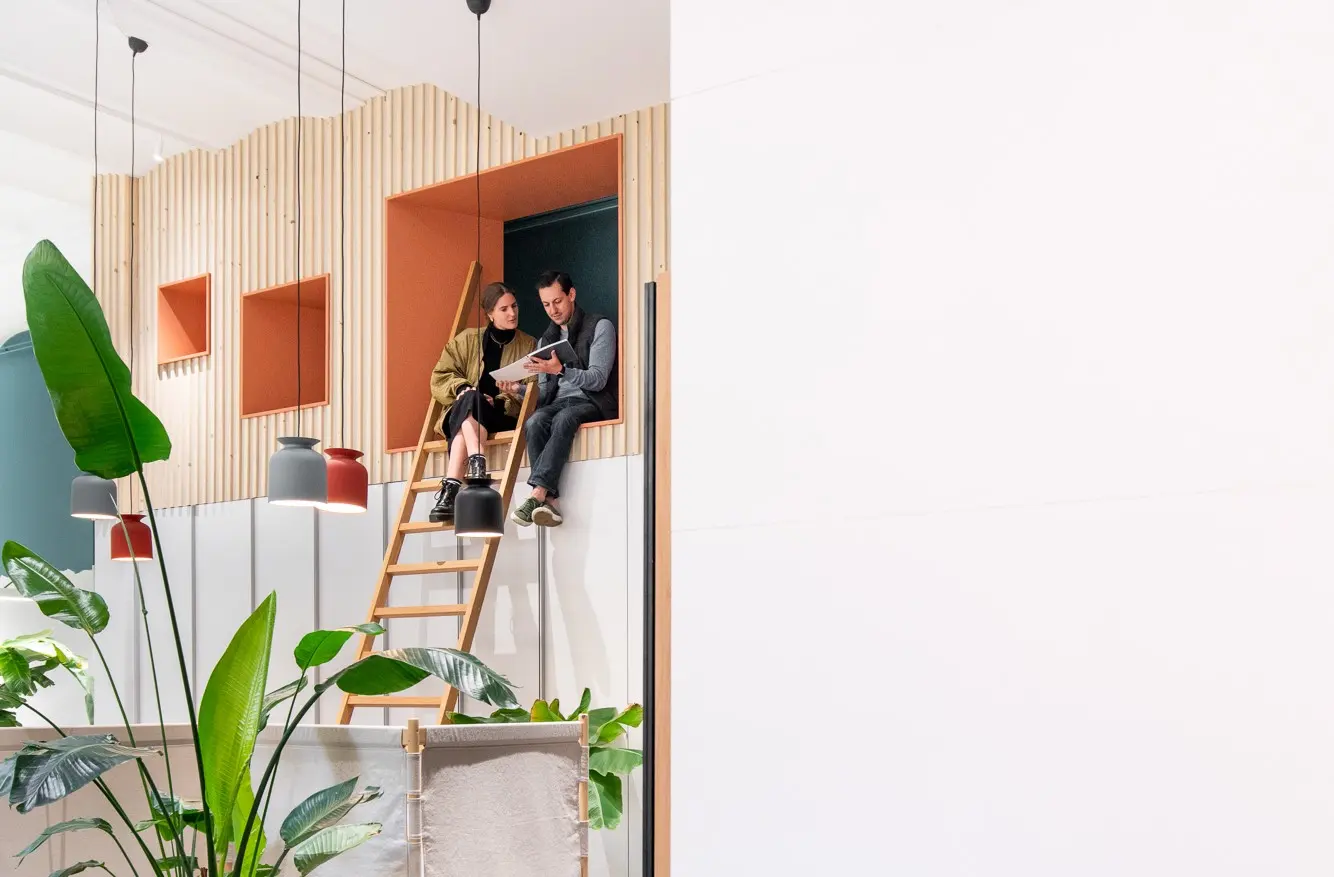
Neurodiversity at work: How office design can help every brain thrive


Think about your last full day in the office. At some point, you probably moved to a quieter spot to focus, or dimmed your screen when the light got too harsh. You did it instinctively, without a second thought. Now imagine that the fluorescent light overhead wasn't a mild annoyance but a source of genuine physical discomfort. Or a colleague on a call two desks away made deep focus feel impossible - not because you're easily distracted, but because your brain processes sound differently.
This is the daily reality for a significant part of your team. Around 15-20% of the global population is neurodivergent - meaning their brains process information, sensory input, and social interaction in ways that differ from those of “neurotypical” brains. That includes people with ADHD, autism, dyslexia, dyspraxia, and other neurological differences.
Neurodivergent people often bring remarkable strengths to workplaces: intense focus, creative problem-solving, pattern recognition, and original thinking. But most offices are designed with a single kind of worker in mind - and that mismatch has real costs. According to McKinsey's Health Institute, neurodivergent professionals are twice as likely to experience high levels of burnout, and many leave teams altogether. For leaders, this is worth paying attention to - both for inclusion and performance.

What a typical office gets wrong
Most open-plan offices were designed for collaboration and visibility into what people do. In practice, they often create a noisy, distracting environment that's genuinely hard to work in for everyone.
When it comes to neurodivergent people, their biggest challenge in standard offices is sensory overstimulation, which can be split into 3 aspects:
- Light: Harsh fluorescent overhead lighting, glare from windows, outside, and flickering screens create visual overstimulation, causing headaches, eye strain, and difficulty concentrating.
- Temperature: Shared spaces where temperature can't be adjusted individually are among the most consistently reported stressors. When your body is spending energy on physical discomfort, there's less available for the work itself.
- Noise: Background conversations, phone calls, and the general hum of a busy floor can make sustained focus nearly impossible for people with heightened auditory sensitivity. Unlike neurotypical colleagues who can more easily tune these out, many neurodivergent people experience these inputs simultaneously and at full volume.
Beyond sensory overload, there are structural challenges, too: spaces with no clear navigation cues, unpredictable layouts, a lack of enclosed areas, and the social pressure to be visibly "at work" at all times.
The good news is that people-centric design can fix many of these issues. Let's explore how.
Designing spaces that calm the nervous system first
Sensory-friendly design doesn't require a complete renovation. Here are the four principles that can guide your approach:
1. Sensory comfort as a starting point
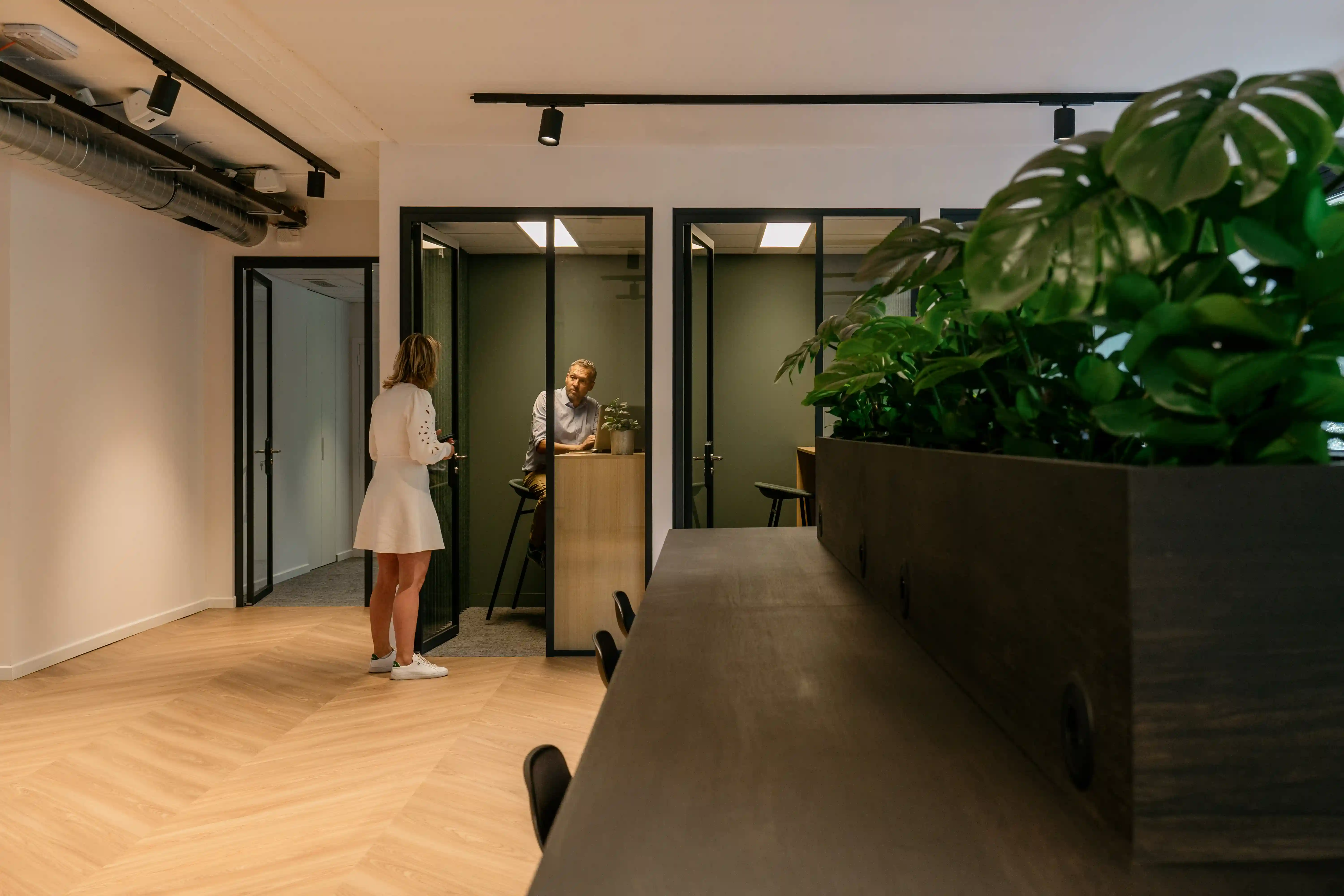
Adjustable lighting, sound-absorbing panels, acoustic pods, and temperature zoning let people manage their own sensory environment. Natural light is gentler on the nervous system than artificial alternatives and supports focus across the whole team. None of these features is just for neurodivergent people - they improve the working environment for everyone.

2. A variety of spaces - so people can choose what they need
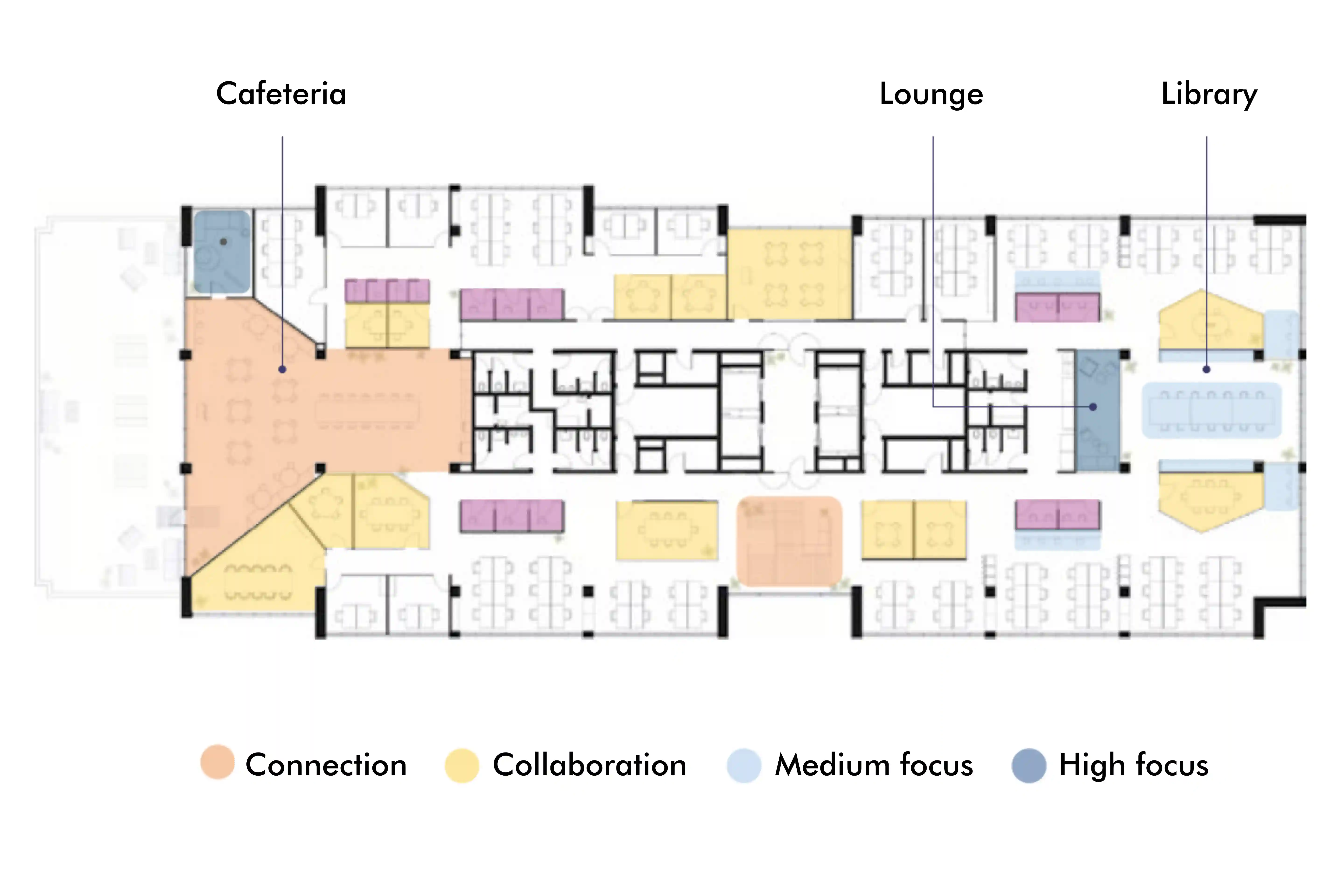
Activity-based working means designing different zones for different types of work: collaborative areas, semi-open focus spaces, and quiet rooms for concentrated individual work. When people can move freely between these throughout the day, they spend less time fighting their environment. Crucially, when everyone moves based on what they need to do, no one has to explain or justify why they've gone somewhere quieter.
3. Biophilic design as a sensory regulator
Plants, natural materials, outdoor views, and daylight have a measurable calming effect on the nervous system - particularly for people with sensory sensitivities. Incorporating natural elements into a workspace isn't just aesthetically appealing. It's physiologically useful. For a deeper look, read our article Everything you need to know about biophilic design.

4. Technology that removes friction
Noise-canceling headphones, digital task management tools, and assistive technologies give people control over their environment and their workflow. The principle is simple: reduce the friction, and people can redirect that energy toward the work itself.
5. Navigation and visual clarity: small details that reduce daily stress
Clear, consistent signage - indicating what each area is for and whether it's currently in use - reduces the mental load of navigating a shared space. Color-coded zones, visual icons, and physical demarcation between different areas all help people arrive at their workspace calmer and more ready to focus.

When the space works for your whole team, everyone does better
Designing for neurodiversity and designing a great workplace are the same project. When a space genuinely supports your most sensitive team members, it raises the bar for everyone. Higher satisfaction, stronger retention, better work - that's what inclusive design actually delivers.